
(256) 333-5000
Free Consultation
No Fees Until We Win

Personal Injury Lawyer

Serving North Alabama

Joel Hamner

Joel Hamner is a seasoned trial lawyer who fights relentlessly for injured clients across North Alabama communities.
Personal Injury Attorney Joel Hamner Wearing A Charcoal Suit With Red Tie
Personal Injury Attorney Tom McCutcheon Wearing A Dark Gray Suit With Red Tie

Tom McCutcheon

Tom McCutcheon has over four decades of courtroom experience, earning a reputation for winning complex injury cases statewide.

Why Choose McCutcheon & Hamner

What Sets McCutcheon & Hamner Apart From Other Personal Injury Attorneys

  • Free Consultation
  • No Out-Of-Pocket Expenses
  • Only Pay If You Win
  • Personal Injury Specialits
  • Work Directly With Your Attorney
  • Millions of Dollars Recovered
  • Client-Centered Approach
  • Small Firm Feel-Big Firm Results
  • Personalized Attention & Care

Hire the Best Personal Injury Lawyers in Alabama to Protect Your Future

Finding the right personal injury lawyer can feel overwhelming when you’re dealing with pain, medical bills, and time away from work. The attorney you choose should have a strong background in personal injury law, a proven record of results, and the resources to take on insurance companies or large corporations. A skilled lawyer investigates the accident, gathers evidence, and negotiates for the compensation you need for medical expenses, lost wages, pain and suffering, and long-term care. With the right representation, you can concentrate on healing while your legal team protects your rights and fights for the best outcome.

Key Takeaways

  • Personal injuries often happen when someone else acts carelessly—whether in a car crash, slip and fall, workplace accident, or from a defective product. Victims may recover compensation for medical bills, lost income, pain, and emotional distress.
  • Symptoms after an accident can appear immediately or hours later. Watch for pain, swelling, bruising, headaches, dizziness, numbness, or reduced mobility. Delayed symptoms are common with major injuries.
  • Recovery usually requires medical evaluation, treatment for pain, and follow-up care such as physical therapy. Following your doctor’s plan and attending all appointments supports long-term healing and creates detailed medical records that help document your case.
Myth
Myth
My “Full Coverage” insurance policy will cover all accident expenses. Reality: Insurance policies have limits, exclusions, and defenses. Insurers often try to minimize what they pay.

You Need the Best Personal Injury Lawyer if You’re Injured

It can be challenging to find the right type of attorney specializing in the precise area of law needed, let alone finding a good attorney. You don’t want just any old attorney that pops up on an internet search, and you don’t want one that will take just about any case that walks through their doors. You want someone who specializes in what they do, has a lot of experience, and comes highly recommended. For instance, you wouldn’t hire your mechanic to be your doctor, and you wouldn’t want a divorce lawyer to handle your auto accident injury case.

A personal injury lawyer is an attorney who represents people who have suffered physical or psychological harm because of someone else’s careless or intentional actions. This may involve car and truck accidents, slip and fall incidents, medical malpractice, defective products, workplace injuries, product liability, wrongful death, or other situations where another person, business, or government entity is at fault.

These attorneys investigate the incident, gather evidence, work with medical experts, and negotiate with insurance adjusters to pursue fair compensation for medical expenses, lost wages, pain and suffering, and future care. When necessary, they take cases to court to protect their client’s rights and secure the full recovery the law allows. Most reputable firms, including ours, begin every injury case with a free consultation, so you can get trusted legal advice without any obligation.

Common Types of Personal Injury Cases

Personal injury law covers many types of cases where people are hurt because of someone else’s negligence or wrongdoing. These matters span everything from car and truck crashes to slip-and-fall injuries, workplace accidents, and defective-product claims. Each situation requires careful investigation, specialized knowledge, and strong advocacy to protect the injured person’s rights.

Motor vehicle accidents are among the most common personal injury cases. Whether it’s a distracted driver, a drunk driver, or a business vehicle involved, these cases often include serious injuries and complicated insurance disputes. A skilled personal injury lawyer understands how to gather evidence, prove fault, and pursue fair compensation.

Other cases include workplace injuries, medical malpractice, and wrongful death claims. In each, the injured person or their loved ones deserves justice and financial recovery for what they’ve lost. Choosing a lawyer who focuses solely on personal injury law helps ensure your case receives the attention and experience it deserves from start to finish.

Tom and Joel, car accident lawyers, discuss a personal injury case at a desk filled with documents and a computer.
Tom and Joel Managing a Personal Injury Case
Tom and Joel discussing strategies for a personal injury case in a red-walled office with legal diplomas on the walls.
Tom and Joel strategizing for a tough case.
Tom and Joel listen intently during a client consultation in their office, surrounded by legal documents.
Tom and Joel discuss client accident details.

How a Personal Injury Lawyer Helps You

A personal injury lawyer does far more than file paperwork or negotiate settlements. They act as your advocate from the very first day, protecting your rights and guiding you through every step of the process. From investigating the accident to handling conversations with insurance adjusters, your lawyer manages the details so you can prioritize your recovery.

A strong case begins with evidence. Your attorney gathers police reports, witness statements, and medical records to prove what happened and how it affected you. They may bring in experts—such as accident reconstruction specialists or medical professionals—to strengthen your claim and clarify the full impact of your injuries.

Your lawyer also handles all communication with insurance adjusters. They know the tactics adjusters use to minimize or deny claims and will push back to secure fair compensation for medical bills, lost wages, and pain and suffering. If a settlement isn’t fair, the best personal injury lawyer won’t hesitate to take your case to court to fight for the recovery you deserve.

Types of Compensation Available

After a serious injury, the financial and emotional impact can be overwhelming. The law allows you to recover compensation for both the economic and non-economic harm caused by someone else’s negligence. An experienced personal injury lawyer can help calculate the full value of your claim and pursue the maximum recovery allowed under Alabama law.

A knowledgeable personal injury lawyer examines every detail of your case, works with experts to document your losses, and fights for every dollar you’re entitled to recover.

Economic damages

Economic damages cover measurable losses like hospital bills, surgery costs, physical therapy, and lost income. They may also include future medical expenses or reduced earning capacity if your injury limits your ability to work. These costs often form the foundation of a personal injury claim and must be supported with clear documentation.

Non-economic damages

Non-economic damages compensate for the pain, suffering, and emotional distress that come with being injured. These damages recognize how your injury affects your quality of life, relationships, and future plans. In cases involving reckless or intentional behavior—such as drunk driving or gross negligence—punitive damages may also apply. These awards are meant to punish wrongdoing and discourage similar behavior in the future.

Thank You For Making Us Your Local Choice

TimesDaily's Readers' Choice 18 Years In A Row

How to Determine Who Is the Best Personal Injury Lawyer in Your Area?

When searching for the best personal injury attorney in your area, it’s important to look for someone with extensive experience handling cases similar to yours, whether that’s a car accident, slip and fall, medical malpractice, or workplace injury. A personal injury lawyer can help you pursue claims for compensation related to these incidents. Consider attorneys whose practice concentrates on personal injury law, with a proven track record of success, positive client reviews, and recognition by professional organizations and peers within the legal community. It’s also important to understand the lawyer’s practice areas, as expertise in specific types of personal injury claims—such as catastrophic injuries—can be crucial.

Additionally, the best personal injury lawyers offer a comprehensive range of services, including clear communication, personalized attention, and transparent fee structures—often working on a contingency fee, meaning you only pay if they successfully win your case. You will benefit from the support of a dedicated legal team working together on your behalf. Schedule a free consultation to assess their approach, responsiveness, and level of care, ensuring you choose someone who understands your legal needs and is committed to achieving the best possible outcome.

Experience & Specialization
  • Choose someone with extensive experience, specifically in personal injury law, not just general practice.
  • Look for a lawyer who has successfully handled cases similar to yours—such as car crashes, workplace injuries, or slip and fall accidents.
  • Ask how long they’ve been practicing and whether they focus solely on injury law or take a wide variety of cases. Specialized focus often leads to stronger results.
Reputation & Reviews
  • Read online client reviews on Google, Yelp, Avvo, or social media to see how past clients describe their experience.
  • Check testimonials and ratings to gauge client satisfaction, professionalism, and responsiveness.
  • Ask friends, family, or coworkers for referrals. Word-of-mouth recommendations often reveal which attorneys have earned lasting community trust.
Results & Track Record
  • Consider lawyers who have secured substantial settlements or trial verdicts in cases like yours.
  • Ask about specific examples of past successes to understand their experience with cases of similar value or complexity.
  • Review whether they are willing to take cases to trial if negotiations fail—this shows confidence and commitment to fighting for fair compensation.
Resources & Network
  • Top lawyers have access to respected medical experts, investigators, and accident reconstruction specialists to strengthen your case.
  • A well-connected attorney can gather evidence faster, locate key witnesses, and build stronger expert testimony to support your claim.
  • Look for a firm with the staff and financial resources to handle large or complex cases without cutting corners.
Clear Communication
  • The best personal injury lawyers clearly break down your rights, legal options, and each step of the process in plain English.
  • They keep you regularly updated about your case progress and promptly return your calls or messages.
  • A good communicator will make sure you understand what to expect. Key case decisions remain yours, and nothing moves forward without your clear consent.
Availability & Personal Attention
  • Choose someone responsive who provides personalized attention rather than handing your case to assistants or junior staff.
  • The best lawyers take time to listen, understand your injuries, and answer every question thoroughly.
  • Make sure the attorney personally oversees your case and treats it with urgency and care, not as just another file.
Fee Structure
  • In most instances, injury attorneys charge a contingency fee, so you don’t pay attorney’s fees unless there’s a settlement or verdict in your favor.
  • The best lawyers are transparent about fees from the start, explaining percentages and costs clearly before you sign anything.
  • Ask if they advance case expenses—such as filing fees and expert costs—so you aren’t burdened with upfront payments.
Professional Recognition & Awards
  • Consider lawyers who have earned professional accolades, peer recognition, or community awards for excellence in personal injury law.
  • Membership in respected legal associations or bar organizations can reflect a commitment to high ethical and professional standards.
  • Recognition from peers, legal publications, or local media can signal credibility, leadership, and consistent success in the field.
Comfort & Trust
  • The best lawyer is someone you feel comfortable speaking with and who listens to your concerns with genuine care.
  • Trust your instincts—choose an attorney who treats you with respect, empathy, and honesty from your first meeting.
  • A good lawyer should make you feel confident that they truly care about your recovery and will fight for your best outcome.

Statute of Limitations in Alabama

In Alabama, the law sets a strict time limit for filing a personal injury claim. This deadline, known as the statute of limitations, is generally two years from the date of the accident or injury. Once that period passes, you may lose the right to pursue compensation—no matter how strong your case may be. Acting quickly is one of the most important steps you can take after getting hurt.

The reason behind this rule is simple: evidence fades, memories weaken, and witnesses become harder to reach as time goes on. Filing early allows your lawyer to gather medical records, interview witnesses, and preserve key evidence before it disappears. It also gives you more leverage when negotiating with insurance adjusters that may try to delay or deny your claim.

There are some exceptions to the two-year rule. For example, if the injured person is a minor, mentally incapacitated, or the harm wasn’t discovered right away—such as in medical malpractice or toxic exposure cases—the deadline may be extended. A knowledgeable personal injury attorney can review your situation and determine exactly how long you have to file.

Don’t wait to find out that it’s too late. Reaching out to a personal injury attorney as soon as possible helps protect your rights, strengthen your case, and ensure you meet every legal deadline under Alabama law.

A hand touches a small gold scale of justice on a desk with a certificate and papers in the background.
Tipping the Scales of Justice in Your Favor
McCutcheon crouches beside a dog in front of a reception desk at McCutcheon & Hamner, P.C., both smiling at the camera.
We Have a Dog In Every Fight!
An open reference book titled "Alabama Statutes" with blue glasses resting on its pages, placed on a wooden table.
Reference Book of Alabama Statutes

What Makes McCutcheon & Hamner the Best Personal Injury Lawyers

When choosing the best personal injury law firm, looking for experience and specialization is important. At the law firm of McCutcheon & Hamner, our comprehensive experience in personal injury law trumps the rest. Our attorneys have successfully managed countless cases involving car accidents, slip and falls, workplace injuries, medical malpractice, product liability, and wrongful death. We represent accident victims who have been hurt or injured due to someone else’s negligence, including those suffering from serious injuries. Our specialization ensures we understand the intricacies of each case type to get you the most for your injuries—and we’re not afraid to face big insurance giants in court to secure the justice our clients deserve.

Our outstanding reputation is evident through the numerous 5-star reviews online. Our reviews show that our clients consistently highlight our professionalism, dedication, and effectiveness, demonstrating our firm’s commitment to client satisfaction. This recognition from past clients emphasizes our reliability and trustworthiness in handling personal injury claims, as well as our assistance to families and individuals during difficult times.

At McCutcheon & Hamner, we have an impressive track record, securing substantial settlements and courtroom victories for our clients. Our attorneys achieve significant results, showcasing our expertise in negotiating fair settlements and advocating powerfully in court. We would happily share our past successes, including trial victories, to reinforce our credibility and demonstrate our capability to handle complex injury cases effectively.

One of our key strengths is our robust network of resources. Our attorneys collaborate closely with medical professionals, experienced investigators, and accident reconstruction experts to meticulously build strong cases. Our dedicated team supports clients every step of the way, providing assistance throughout the legal process. This extensive resource network significantly enhances our ability to present compelling evidence, helping clients achieve maximum compensation.

Clear communication and personalized attention set McCutcheon & Hamner apart from other firms. We prioritize transparency, clearly outlining each client’s rights and options and maintaining frequent, open communication throughout the legal process. Most importantly, we handle each case personally rather than delegating it to junior attorneys or paralegals. Our clients appreciate our attorneys’ responsiveness, personalized attention, and genuine empathy, making the law firm of McCutcheon & Hamner the right choice to have on your side during challenging times.
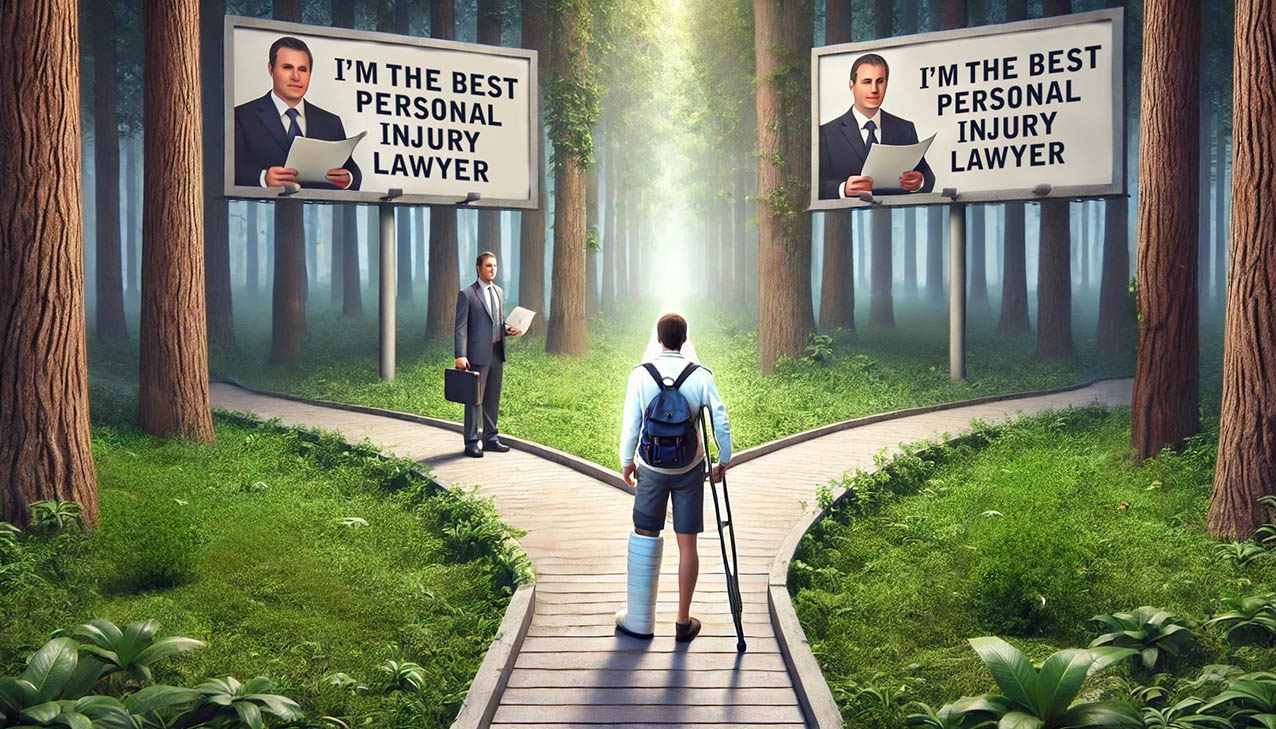
When choosing the best personal injury lawyer, experience, reputation, proven results, extensive resources, and straightforward communication matter greatly—and McCutcheon & Hamner excel in every area. Our attorneys consistently achieve successful outcomes for our clients with specialized knowledge in handling cases involving car accidents, workplace injuries, slip and falls, medical malpractice, defective product claims, and wrongful death. McCutcheon & Hamner maintain excellent client relationships through transparent communication, personalized attention, and responsiveness, never delegating your case to less experienced staff. Our robust network of experts and professionals ensures each case is thoroughly investigated and strategically prepared, enhancing your chances for maximum compensation. Ultimately, our proven track record, coupled with genuine care and empathy, positions McCutcheon & Hamner as the ideal choice to advocate for your rights and secure your rightful recovery.

If you’ve been injured, don’t wait to learn what your claim may be worth. The earlier you call, the faster we can secure evidence, protect your rights, and strengthen your claim. Contact McCutcheon & Hamner for a free case review—and you pay nothing unless we win. Our attorneys personally handle your claim from start to finish, working hard to secure the compensation you deserve. Call today to schedule your free consultation and let us fight for your recovery while you focus on healing.

Summary

Hiring the right personal injury attorney can make all the difference after a serious accident. The best attorneys combine experience, skill, and compassion to help injured clients recover compensation for medical bills, lost income, pain, and long-term care. Personal injury claims often involve car and truck wrecks, workplace injuries, medical malpractice, or wrongful death claims, each requiring careful investigation and proven legal strategy.

A strong lawyer guides you through every step—gathering evidence, working with medical experts, and negotiating with insurance adjusters to secure full compensation. The most trusted attorneys offer clear communication, personalized attention, and work on a contingency fee basis, so you pay nothing unless they win. Acting quickly is crucial, as Alabama law gives most victims only two years to file a claim.

With decades of experience, the law firm of McCutcheon & Hamner sets the standard for personal injury representation in Alabama, a reputation for compassion, 5-star Google reviews, strong courtroom skills, and a record of winning results. When it comes to your recovery—never settle for less.

Injured? Don’t Face It Alone—We’re Here to Protect What Matters

We Fight for Medical Costs, Lost Income, and the Full Compensation You Deserve After a Serious Injury

We Know Personal Injury Law
Alabama’s contributory negligence rule is unforgiving—even 1% blame can bar recovery.
Built right from day one.
We Act Quickly to Investigate
We gather reports, imaging, and expert opinions fast. Quick action protects your claim and builds strong evidence.
We move quickly for you.
We Handle Every Type of Injury

Broken bones, back injuries, TBIs, and chronic pain—we’ve seen it all. We document every detail to show the full impact on your life.

Your healing is our priority.
We Fight Insurance Companies
Insurers often deny or downplay personal injury accident claims. We push hard until they pay what your injuries and suffering truly deserve.
You won’t fight them alone.
We Prove the Full Impact
An injury affects work, sleep, mobility, and family life. We show how everything changed and fight for complete compensation.
Every loss counts.
We Hold Negligent Parties Accountable
Whether it’s a careless driver, unsafe property owner, or reckless employer, we hold them responsible for the harm they caused.

We demand accountability.

We Push for Full Value
You deserve more than paid bills. We fight for lost wages, pain, and ongoing treatment—not quick settlements.
We don’t settle cheap.
We Work with Medical and Expert Witnesses
Doctors, investigators, and reconstruction experts help us prove your injuries and establish fault beyond question.
Facts win fair settlements.
We Help with Medical Bills
We work with hospitals and providers to reduce balances or delay payment until your case is resolved.
We lift that burden for you.
We Recover Lost Income
Injuries cost time at work. We calculate every missed paycheck and fight to recover lost earnings and benefits.
You won’t be left short-changed.
We Plan for Future Care
Therapy, surgery, and lifelong treatment costs are built into your claim. We make sure you’re protected for what lies ahead.
We plan for tomorrow.
We Count Every Loss
Pain, disfigurement, emotional trauma, and lost time with family all matter. We include every hardship in your claim.
Nothing is overlooked.
We File Suit When Needed
If insurers refuse to pay fairly, we take them to court. Our trial experience gives you the upper hand.
We’re ready for battle.
No Fee Unless We Win
You owe nothing unless we recover money for you. We take the risk so you can focus on healing.
That’s our promise.
We Always Keep You Informed
We return calls, answer questions, and explain every step. You’ll always know what’s happening with your case.
Communication matters here.
We Know Alabama Law
From Huntsville to Florence and every town in between, we know the courts, judges, and insurance tactics that shape Alabama injury cases.
Local knowledge wins cases.
Trusted Across North Alabama
For decades, families in Northern Alabama have trusted us to handle serious injury claims.
You can trust us too.
We Don’t Quit Until It’s Done
We stay with you until justice is served. We won’t stop until you’re fully paid for every loss.
We finish strong—together.

Common Personal Injury Injuries

Click On The Body Chart To Find Potential Injuries You May Have Suffered
Head Injuries
  • Caused by a sudden jolt or impact to the head.
  • Symptoms: Headache, dizziness, confusion, nausea, and memory loss.

$

$$$

Typical Case Value
  • Cause: Stretching or tearing of neck ligaments, tendons, or muscles due to the collision force.
  • Symptoms: Pain, swelling, muscle spasms, and reduced flexibility.

$

$$$

Typical Case Value
  • Bruising of the brain tissue due to direct impact.
  • Symptoms: Swelling, bleeding, or pressure in the skull.

$

$$$

Typical Case Value
  • Breaks or cracks in the skull caused by blunt force trauma.
  • Symptoms: Bleeding, bruising around the eyes (raccoon eyes), or at the ears (Battle’s sign).

$

$$$

Typical Case Value
  • Occurs when the brain’s axons are stretched or torn due to severe shaking or rotational forces.
  • Symptoms: Often leads to unconsciousness or coma in severe cases.
  • Collection of blood outside the brain’s blood vessels, often caused by a rupture during trauma.
  • Types:
    • Subdural Hematoma: Blood collects between the brain and its outer covering (dura).
    • Epidural Hematoma: Blood pools between the skull and the dura.
    • Intracerebral Hematoma: Blood collects within the brain tissue.

$

$$$

Typical Case Value
  • Occurs when an object pierces the skull and enters the brain.
  • Symptoms: Severe bleeding, loss of consciousness, and potential long-term neurological damage.

$

$$$

Typical Case Value
  • Includes fractures to the jaw, cheekbones, or orbital bones, which may indirectly affect the head and brain.
  • Symptoms: Swelling, bruising, and difficulty in movement or sensation.

$

$$$

Typical Case Value
  • Though primarily a neck injury, severe whiplash can lead to a concussion or other brain injuries from the violent back-and-forth motion of the head.

$

$$$

Typical Case Value
  • Can develop after any head injury due to trauma.
  • Symptoms: Persistent headaches, often with sensitivity to light and sound.

$

$$$

Typical Case Value
It's crucial for anyone involved in a car accident to seek immediate medical evaluation, even if injuries seem minor, as some head injuries may not show symptoms right away but can worsen over time. Early diagnosis and treatment are vital for recovery.
Neck Injuries
  • Cause: Sudden back-and-forth movement of the neck during impact.
  • Symptoms: Neck pain, stiffness, headaches, dizziness, and limited range of motion.
  • Severity: Varies from mild discomfort to long-term chronic pain.

$

$$$

Typical Case Value
  • Cause: Stretching or tearing of neck ligaments, tendons, or muscles due to the collision force.
  • Symptoms: Pain, swelling, muscle spasms, and reduced flexibility.

$

$$$

Typical Case Value
  • Cause: The force of the accident can cause intervertebral discs in the cervical spine to rupture or bulge.
  • Symptoms: Neck pain, numbness, tingling, or weakness that may radiate into the arms.

$

$$$

Typical Case Value
  • Cause: Extreme force leading to a broken neck bone.
  • Symptoms: Severe pain, swelling, and possible paralysis if the spinal cord is affected.
  • Severity: Life-threatening; immediate medical attention is required.

$

$$$

Typical Case Value
  • Cause: Damage to the small joints between vertebrae during impact.
  • Symptoms: Pain in the neck, shoulders, and sometimes the back.

$

$$$

Typical Case Value
  • Cause: Direct trauma to the spinal cord within the cervical spine.
  • Symptoms: Loss of sensation, paralysis, or reduced motor function.
  • Severity: Can range from partial to complete paralysis.

$

$$$

Typical Case Value
  • Cause: Glass shards, debris, or sharp objects during the accident.
  • Symptoms: Open wounds, bleeding, and risk of infection.
  • Severity: May require surgical intervention.

$

$$$

Typical Case Value
  • Cause: Compression, stretching, or severing of nerves in the neck area.
  • Symptoms: Numbness, tingling, or shooting pain in the neck and arms.

$

$$$

Typical Case Value
  • Cause: Damage to muscles, ligaments, or tendons.
  • Symptoms: Pain, swelling, and stiffness.

$

$$$

Typical Case Value
  • Cause: Damage to blood vessels in the neck, such as the carotid or vertebral arteries.
  • Symptoms: Severe pain, swelling, and risk of stroke or other complications.

$

$$$

Typical Case Value
If someone is injured in a car accident, they should seek immediate medical evaluation, as some neck injuries may not show symptoms right away but can worsen over time.
Shoulder
  • Description: The rotator cuff consists of muscles and tendons that stabilize the shoulder joint. Injuries can range from minor strains to complete tears.
  • Symptoms: Pain, weakness, limited range of motion, and difficulty lifting the arm.

$

$$$

Typical Case Value
  • Description: The ball of the shoulder joint is forcibly removed from its socket, often due to the impact or bracing during a crash.
  • Symptoms: Severe pain, visible deformity, swelling, and inability to move the arm.

$

$$$

Typical Case Value
  • Common Areas:
    • Clavicle (Collarbone): Often fractured when the seatbelt restrains the body during a high-impact collision.
    • Scapula (Shoulder Blade): Less common but can occur in severe accidents.
  • Symptoms: Intense pain, swelling, bruising, and visible deformity.

$

$$$

Typical Case Value
  • Description: Occurs when the tendons or bursa in the shoulder are compressed due to trauma, leading to inflammation.
  • Symptoms: Pain when lifting the arm, weakness, and reduced mobility.

$

$$$

Typical Case Value
  • Description: The labrum is a ring of cartilage that cushions the shoulder joint. Tears can result from the sudden force of an accident.
  • Symptoms: Clicking or popping sound, instability, pain during movement, and weakness.

$

$$$

Typical Case Value
  • Description: Damage to the ligaments, tendons, or muscles around the shoulder.
  • Symptoms: Swelling, tenderness, stiffness, and reduced range of motion.

$

$$$

Typical Case Value
  • Description: This condition can develop after a shoulder injury if the joint remains immobile for a prolonged period.
  • Symptoms: Stiffness, pain, and limited movement.

$

$$$

Typical Case Value
  • Description: The brachial plexus is a network of nerves near the shoulder that can be stretched or torn during an accident.
  • Symptoms: Numbness, weakness, tingling, or a burning sensation in the arm.

$

$$$

Typical Case Value
Seek medical evaluation promptly after an accident, even if symptoms are mild, as some injuries may worsen over time.
Upper Arm
  • Cause: A sudden force, such as bracing against the steering wheel, dashboard, or seatbelt, can overstretch or tear the bicep muscle.
  • Symptoms: Pain, swelling, bruising, and weakness in the upper arm.

$

$$$

Typical Case Value
  • Tendonitis: Inflammation of the bicep tendon due to repetitive or acute stress during impact.
  • Tendon Rupture: A severe injury where the tendon detaches from the bone, often due to extreme force.
  • Symptoms: Sharp pain, a snapping sensation, difficulty bending the elbow, and a visible deformity (e.g., a “Popeye” muscle bulge).

$

$$$

Typical Case Value
  • Cause: Direct impact to the upper arm from the car interior or airbags.
  • Symptoms: Swelling, discoloration, tenderness, and pain in the bicep area.

$

$$$

Typical Case Value
  • A fracture of the humerus (upper arm bone) near the bicep can cause associated muscle or tendon damage.
  • Symptoms: Severe pain, inability to move the arm, and possible deformity or swelling.

$

$$$

Typical Case Value
  • The impact of a crash can compress or stretch nerves near the bicep, such as the musculocutaneous nerve.
  • Symptoms: Numbness, tingling, or weakness in the arm.

$

$$$

Typical Case Value
  • Injuries to ligaments, fascia, or other supporting structures in the bicep area may occur due to overstretching or blunt force trauma.
  • Symptoms: General pain, swelling, and reduced range of motion.

$

$$$

Typical Case Value
  • The pressure from a seatbelt during sudden deceleration can compress or bruise the bicep muscle or tendon.
  • Symptoms: Pain and bruising along the upper arm.

$

$$$

Typical Case Value
  • Compensatory overuse of the bicep muscle due to other injuries (e.g., shoulder or wrist) can lead to secondary injuries like strain or tendonitis.

$

$$$

Typical Case Value
If a client has sustained such injuries, it's crucial to recommend seeking medical evaluation immediately. Diagnostic imaging like MRIs or X-rays can confirm the extent of the damage, and appropriate treatment (e.g., physical therapy, rest, or surgery) can be prescribed.
Elbow
  • Radial Head Fracture: Often caused by bracing against the steering wheel or dashboard during impact.
  • Olecranon Fracture: The bony tip of the elbow can fracture when directly struck or if excessive force is applied.
  • Distal Humerus Fracture: The lower part of the upper arm bone may break during severe trauma.

$

$$$

Typical Case Value
  • Elbow Dislocation: The joint can become displaced due to the force of the accident, often resulting in severe pain and limited movement.

$

$$$

Typical Case Value
  • Ligament Sprains or Tears: The ligaments in the elbow may stretch or tear from sudden force or unnatural motion.
  • Tendon Tears: Tendons, especially the biceps or triceps tendons, may rupture under extreme stress.
  • Elbow Contusion: Bruising caused by a direct impact, leading to swelling and tenderness.

$

$$$

Typical Case Value
  • Ulnar Nerve Compression (Cubital Tunnel Syndrome): Trauma can irritate or compress the ulnar nerve, causing numbness or tingling in the fingers.
  • Radial or Median Nerve Injuries: These nerves may also suffer damage from impact or swelling.

$

$$$

Typical Case Value
  • Olecranon Bursitis: Swelling of the bursa (a fluid-filled sac) over the elbow joint due to trauma or repetitive pressure.

$

$$$

Typical Case Value
  • Pre-existing conditions like Tennis Elbow (Lateral Epicondylitis) or Golfer’s Elbow (Medial Epicondylitis) can worsen due to the stress of the accident.

$

$$$

Typical Case Value
  • Swelling, bruising, or deformity
  • Sharp or persistent pain
  • Limited range of motion
  • Numbness or tingling in the fingers or forearm
  • Weakness in the arm or hand
Depending on the severity, treatments may include immobilization, physical therapy, medication, or surgery. If you’re working on content for an injury law firm, you could emphasize the importance of seeking immediate medical evaluation and documenting injuries for potential claims.
Forearm
  • Radius and Ulna Fractures: These bones make up the forearm, and fractures can occur in one or both bones. High-impact collisions often result in complex fractures.
  • Colles’ Fracture: A specific type of fracture of the distal radius, often caused by bracing against the dashboard during a crash.
  • Monteggia and Galeazzi Fractures: These involve fractures of the ulna or radius with associated dislocations, common in severe trauma.

$

$$$

Typical Case Value
  • Muscle Strains and Tears: Sudden impact can strain or tear the muscles of the forearm.
  • Tendon Injuries: Tendons connecting muscles to bones may be stretched or torn, particularly in high-impact accidents.
  • Ligament Sprains: Sudden force can overstretch the ligaments in the wrist and forearm.

$

$$$

Typical Case Value
  • Median Nerve Injuries: Often associated with forearm trauma, particularly fractures or crush injuries, leading to pain, numbness, or weakness in the hand and forearm.
  • Ulnar and Radial Nerve Damage: Damage can result from direct trauma or compression caused by swelling or broken bones.

$

$$$

Typical Case Value
  • This is a medical emergency caused by increased pressure within the muscles of the forearm, leading to reduced blood flow. It can occur after severe trauma, such as a car accident.
  • When the forearm is trapped or compressed during the accident, it can result in severe damage to muscles, nerves, and bones.

$

$$$

Typical Case Value
  • Lacerations: Sharp objects or debris from the crash can cause deep cuts, potentially damaging muscles, tendons, or nerves.
  • Bruising (Contusions): Blunt force trauma during the collision can result in significant bruising.

$

$$$

Typical Case Value
  • Dislocations of the elbow or wrist can occur when the forearm is subjected to excessive force or hyperextension.

$

$$$

Typical Case Value
  • In severe accidents, the forearm may be partially or completely amputated, either during the collision or as a result of surgical intervention due to extensive trauma.

$

$$$

Typical Case Value
Treatment for forearm injuries often involves immobilization (casts or splints), surgery (e.g., to set fractures or repair torn tendons), physical therapy, and pain management. Prompt medical attention is critical, especially for injuries like compartment syndrome or nerve damage, which can lead to long-term complications if not treated quickly.
Wrist
  • Distal Radius Fracture: The radius, one of the forearm bones, commonly breaks near the wrist during high-impact accidents.
  • Scaphoid Fracture: This small bone in the wrist is vulnerable when the hand absorbs force.

$

$$$

Typical Case Value
  • A sprain occurs when the ligaments in the wrist are overstretched or torn, often from sudden twisting or impact.

$

$$$

Typical Case Value
  • Tendonitis: Overuse or acute trauma during an accident can inflame wrist tendons.
  • Tendon Tears: Sudden force may partially or completely tear tendons in the wrist.

$

$$$

Typical Case Value
  • Swelling or trauma to the wrist during an accident can compress the median nerve, causing pain, numbness, or tingling.

$

$$$

Typical Case Value
  • The wrist’s small bones can dislocate due to the intense forces of a collision.
  • Bruising, contusions, or damage to the muscles and tissues around the wrist are common, even without fractures.

$

$$$

Typical Case Value
  • The triangular fibrocartilage complex (TFCC) is a cushion in the wrist that can be torn during impact, leading to pain and instability.

$

$$$

Typical Case Value
  • Repetitive strain or acute trauma may cause inflammation in the tendons along the thumb side of the wrist.

$

$$$

Typical Case Value
Prompt medical attention is essential to diagnose and treat these injuries properly. Left untreated, they can lead to long-term pain, reduced mobility, or chronic conditions.
Hand
  • Wrist Fractures: The radius and ulna bones in the wrist are frequently broken in car accidents.
  • Finger Fractures: Direct impact or crushing injuries can cause fractures in the phalanges (finger bones).
  • Metacarpal Fractures: These are fractures in the long bones of the hand connecting the wrist to the fingers.

$

$$$

Typical Case Value
  • Wrist Sprains: Stretching or tearing of the ligaments due to sudden impact or awkward twisting motions.
  • Finger Sprains: Caused by jamming the fingers during the accident.

$

$$$

Typical Case Value
  • Damage to the tendons in the hand or wrist can occur due to lacerations, blunt trauma, or overstretching during the crash.

$

$$$

Typical Case Value
  • Carpal Tunnel Syndrome: Can develop from swelling or trauma to the wrist, compressing the median nerve.
  • Peripheral Neuropathy: Nerve injuries caused by direct trauma to the hand.

$

$$$

Typical Case Value
  • Cuts and punctures from broken glass, metal, or other debris can cause severe damage to the skin, tendons, and nerves in the hand.

$

$$$

Typical Case Value
  • The hand may be crushed between the steering wheel, dashboard, or other parts of the vehicle, leading to extensive soft tissue, nerve, and bone damage.

$

$$$

Typical Case Value
  • In severe accidents, fingers or parts of the hand may be amputated due to trauma or require surgical removal.

$

$$$

Typical Case Value
  • Joints in the fingers, wrist, or thumb can be dislocated due to sudden and forceful movements.

$

$$$

Typical Case Value
  • Hands may sustain burns from contact with hot engine parts, spilled fluids, or fires caused by the crash.

$

$$$

Typical Case Value
  • Contusions (bruising) and swelling are common due to impact or airbag deployment.

$

$$$

Typical Case Value
Seek immediate care to assess the severity of the injury.
Chest & Back
Chest Injuries
  • The force from a seatbelt, airbag, or collision can cause ribs to crack or break. These injuries are painful and can sometimes lead to complications like punctured lungs.

$

$$$

Typical Case Value
  • Seatbelts and airbags often protect occupants but can cause significant bruising to the chest area.

$

$$$

Typical Case Value
  • The breastbone can be fractured in high-impact collisions, particularly when a driver hits the steering wheel or is restrained by a seatbelt.

$

$$$

Typical Case Value
  • Trauma to the chest can lead to air leaking into the space between the lung and chest wall, causing the lung to collapse.

$

$$$

Typical Case Value
  • The heart, lungs, and major blood vessels in the chest are at risk of injury from severe impacts.
  • Sprains, strains, or tearing of muscles, tendons, and ligaments in the chest area can result from sudden force.

$

$$$

Typical Case Value
Back Injuries
  • The force of a collision can cause the soft material between vertebrae to bulge or rupture, compressing nearby nerves and causing pain.

$

$$$

Typical Case Value
  • High-impact accidents can fracture the bones of the spine, leading to severe pain and mobility issues.

$

$$$

Typical Case Value
  • Damage to the spinal cord can range from minor to severe and may result in partial or total paralysis.

$

$$$

Typical Case Value
  • Strains and sprains in the back muscles and ligaments are common due to the rapid and unnatural movement of the body during a crash.

$

$$$

Typical Case Value
  • The vertebrae may be compressed under extreme force, leading to fractures that can cause significant pain and long-term issues.

$

$$$

Typical Case Value
  • Though often associated with the neck, whiplash can also strain the muscles and ligaments in the upper back.

$

$$$

Typical Case Value
If you or someone you know has suffered a chest or back injury in a car accident, seeking immediate medical attention and consulting with a personal injury attorney can help ensure proper care and compensation for damages.
Abdomen
  • Bruising and Contusions: Often caused by seatbelts or airbags.
  • Lacerations: From broken glass or debris.

$

$$$

Typical Case Value
  • Liver Damage: The liver is prone to injuries like lacerations or rupture due to its size and position.
  • Spleen Injuries: A ruptured spleen can lead to internal bleeding and is considered a medical emergency.
  • Kidney Damage: The kidneys are vulnerable to trauma from rear or side impacts.
  • Pancreatic Injuries: Less common but severe, often from steering wheel impacts.
  • Hematomas: Caused by blunt force trauma to blood vessels or organs.
  • Symptoms include pain, swelling, and signs of shock.

$

$$$

Typical Case Value
  • Perforations or Tears: Can result from compression forces or seatbelt injuries, leading to infection or sepsis.

$

$$$

Typical Case Value
  • Ruptures or Tears: Rare but serious, often occurring from blunt force trauma, causing difficulty in breathing.

$

$$$

Typical Case Value
  • While not part of the abdominal cavity, pelvic fractures can cause secondary injuries to abdominal organs or blood vessels.

$

$$$

Typical Case Value
  • A specific type of injury caused by seatbelts, including bruising, abdominal wall tears, and damage to underlying organs or the spine.
Proper medical evaluation after a car accident is crucial, even if injuries are not immediately apparent. Many abdominal injuries can worsen over time and may require emergency intervention.
Hip & Pelvis
  • Types of fractures:
    • Acetabular fractures (fracture of the socket part of the hip joint)
    • Femoral head or neck fractures (upper part of the thigh bone)
  • Common in high-impact accidents, particularly in older individuals with weaker bones.
  • Often requires surgical intervention and prolonged rehabilitation.

$

$$$

Typical Case Value
  • Occurs when the femoral head is forced out of its socket in the pelvis.
  • Typically caused by direct impact during a crash.
  • This is a medical emergency as it can lead to nerve damage and loss of blood flow to the femoral head.

$

$$$

Typical Case Value
  • Damage to the ring of cartilage (labrum) surrounding the hip joint socket.
  • Can result from the twisting or abrupt force during the impact of an accident.
  • Symptoms include pain, instability, and a clicking sensation in the hip.

$

$$$

Typical Case Value
  • Muscle Strains: Caused by overstretching or tearing of the hip muscles, such as the hip flexors.
  • Ligament Sprains: Damage to the ligaments supporting the hip joint due to sudden trauma.
  • These injuries can lead to stiffness, swelling, and limited mobility.

$

$$$

Typical Case Value
  • Inflammation of the bursae (small fluid-filled sacs cushioning the hip joint).
  • Can be triggered by the impact and pressure experienced during a crash.
  • Causes pain and tenderness, especially when moving the hip.
  • Structural damage to the bones in the hip joint due to abnormal impact.
  • Can occur after a collision and lead to long-term joint problems.

$

$$$

Typical Case Value
  • The impact from an accident can compress or stretch the sciatic nerve near the hip joint.
  • Leads to pain, numbness, or weakness radiating down the leg.

$

$$$

Typical Case Value
  • Fractures or damage to the pelvic bones surrounding the hip joint.
  • These injuries often occur in severe accidents and may require surgical repair.

$

$$$

Typical Case Value
Car accidents can cause a wide range of hip injuries due to the force and impact experienced during a collision. Seek medical treatment if you show signs of hip pain, swelling, bruising, limited range of motion, numbness, tingling, weakness in the legs, difficulty walking or bearing weight.
Upper Leg
  • The femur (thigh bone) is the longest and strongest bone in the body, but it can break under significant force.
  • High-speed collisions often cause these fractures, which may require surgery and a long recovery period.

$

$$$

Typical Case Value
  • Muscle Strains or Tears: The impact of a crash can overstretch or tear muscles in the thigh, such as the quadriceps or hamstrings.
  • Contusions (Bruises): Blunt force from hitting the dashboard or door can cause painful bruising.

$

$$$

Typical Case Value
  • Thigh Contusions: Hard contact with car interiors can lead to deep tissue bruising.

$

$$$

Typical Case Value
  • Traumatic injuries can damage nerves in the upper leg, such as the femoral or sciatic nerve, leading to pain, numbness, or weakness.

$

$$$

Typical Case Value
  • A rare but serious condition where swelling in the thigh’s muscle compartments increases pressure, cutting off blood flow and potentially causing permanent damage if not treated promptly.

$

$$$

Typical Case Value
  • High-impact forces can strain or tear ligaments or tendons attached to the femur, particularly around the knee and hip areas.
  • If the leg is trapped or compressed during an accident, it may result in severe damage to the muscle, bones, and blood vessels.

$

$$$

Typical Case Value
Treatment for these injuries often involves a combination of immobilization, physical therapy, medication, and sometimes surgical intervention. Early diagnosis and medical attention are critical for recovery.
Knee
  • Cause: When the knee forcefully strikes the dashboard during a collision, it can injure the posterior cruciate ligament (PCL).
  • Symptoms: Swelling, pain, and instability in the knee.

$

$$$

Typical Case Value
  • Cause: Twisting motions or direct impact during the accident can tear the meniscus, the cartilage that cushions the knee joint.
  • Symptoms: Pain, stiffness, swelling, and difficulty straightening the knee.

$

$$$

Typical Case Value
  • Cause: Sudden twisting or hyperextension of the knee during impact can result in an ACL tear.
  • Symptoms: A “popping” sound at the time of injury, pain, swelling, and instability.

$

$$$

Typical Case Value
  • Patella (Kneecap) Fractures: Direct impact can fracture the kneecap.
  • Symptoms: Severe pain, inability to straighten the knee, and visible deformities.

$

$$$

Typical Case Value
  • Cause: Extreme force can dislocate the knee joint, moving the bones out of alignment.
  • Symptoms: Visible deformity, intense pain, and restricted movement.

$

$$$

Typical Case Value
  • Cause: Sudden stress or direct trauma can damage the tendons that support the knee.
  • Symptoms: Pain, swelling, and difficulty extending the leg.

$

$$$

Typical Case Value
  • Cause: Impact forces can compress the bones of the knee, causing deep bruising.
  • Symptoms: Swelling, stiffness, and pain, especially during movement.

$

$$$

Typical Case Value
  • Cause: Inflammation of the bursa (fluid-filled sacs) in the knee due to trauma or pressure during the accident.
  • Symptoms: Swelling, tenderness, and reduced range of motion.
  • Cause: Overstretching of the knee ligaments during sudden stops or impacts.
  • Symptoms: Pain, swelling, and limited mobility.

$

$$$

Typical Case Value
  • Cause: Damage to the cartilage under the kneecap due to impact or repetitive stress.
  • Symptoms: Pain when bending the knee, climbing stairs, or sitting for extended periods.

$

$$$

Typical Case Value
Knee injuries are a common outcome of car accidents, as the knees are often in a vulnerable position during a collision. Seek medical attenction if you belive you have suffered a knee injury.
Lower Leg
  • Tibial Shaft Fractures: The tibia (shinbone) is the larger and stronger bone in the lower leg and is commonly fractured during car accidents due to direct impact or crushing forces.
  • Fibular Fractures: The fibula, the thinner bone running alongside the tibia, may fracture either independently or in conjunction with a tibial fracture.
  • Compound (Open) Fractures: Occur when the bone pierces the skin, often leading to additional complications like infection.

$

$$$

Typical Case Value
  • Bruising and Contusions: Caused by the leg striking the dashboard or other hard surfaces.
  • Muscle Tears: Sudden force can cause tears in the calf muscles or surrounding tissues.
  • Lacerations: Sharp debris or impact may cause cuts that can lead to scarring or nerve damage.

$

$$$

Typical Case Value
  • Sprains and Strains: Result from sudden twisting or hyperextension of the ankle or knee.
  • Achilles Tendon Ruptures: A severe injury often caused by extreme force during a collision.

$

$$$

Typical Case Value
  • A serious condition where swelling or bleeding in the leg creates pressure, reducing blood flow and potentially causing permanent damage to muscles and nerves.

$

$$$

Typical Case Value
  • Occur when the lower leg is pinned or compressed, potentially damaging muscles, nerves, and blood vessels.

$

$$$

Typical Case Value
  • Peroneal Nerve Injury: May cause weakness or numbness in the foot.
  • Vascular Injuries: Damage to the blood vessels in the lower leg can lead to circulation issues or even amputation in severe cases.
  • While more common in sports, the repetitive stress of bracing for impact in an accident can exacerbate shin splints or cause stress fractures.
If someone is injured in a car accident, they should seek immediate medical evaluation, as some neck injuries may not show symptoms right away but can worsen over time.
Ankle
  • A break in one or more of the bones forming the ankle joint, including the tibia, fibula, or talus.
  • Symptoms: Severe pain, swelling, inability to bear weight, visible deformity in severe cases.

$

$$$

Typical Case Value
  • Stretching or tearing of the ligaments in the ankle, particularly the lateral ligaments.
  • Symptoms: Swelling, bruising, pain during movement, instability.

$

$$$

Typical Case Value
  • Partial or complete tear of the Achilles tendon due to sudden impact or overextension.
  • Symptoms: Sharp pain at the back of the ankle, difficulty walking, or inability to push off the ground.

$

$$$

Typical Case Value
  • The bones in the ankle joint are forced out of their normal alignment, often accompanying fractures.
  • Symptoms: Severe pain, deformity, swelling, and inability to move the ankle.

$

$$$

Typical Case Value
  • Occurs when the ankle is subjected to significant compressive force, such as being pinned in the car’s footwell.
  • Symptoms: Severe pain, swelling, bruising, and potential nerve or blood vessel damage.

$

$$$

Typical Case Value
  • Inflammation of the tendons in the ankle, such as the posterior tibial or peroneal tendons, often due to overstress.
  • Symptoms: Pain, swelling, and stiffness around the ankle.

$

$$$

Typical Case Value
  • Damage to the muscles, ligaments, or tendons surrounding the ankle joint without bone involvement.
  • Symptoms: Pain, swelling, and reduced mobility.

$

$$$

Typical Case Value
  • Rare but serious condition caused by increased pressure within the muscles of the lower leg, leading to reduced blood flow and nerve damage.
  • Symptoms: Severe pain, numbness, and tightness in the lower leg or ankle.

$

$$$

Typical Case Value
  • Blunt force trauma causing localized bleeding under the skin or deeper tissues.
  • Symptoms: Discoloration, tenderness, and mild swelling.

$

$$$

Typical Case Value
If someone has injured their ankle in a car accident, they should seek immediate medical evaluation.
Foot
  • Calcaneus (heel bone) fractures: These occur due to a high-impact collision, often when the foot is braced against the floorboard.
  • Tarsal and metatarsal fractures: These small bones in the midfoot and forefoot can break under extreme force.
  • Ankle fractures: These happen when the joint twists or endures direct trauma.

$

$$$

Typical Case Value
  • Ligaments in the foot or ankle can become stretched or torn due to sudden, unnatural movements during the crash.

$

$$$

Typical Case Value
  • These occur when the foot is trapped between parts of the vehicle or under heavy debris, potentially leading to tissue damage or amputation in severe cases.

$

$$$

Typical Case Value
  • The bones in the foot or ankle may shift out of their normal positions, causing extreme pain and mobility issues.

$

$$$

Typical Case Value
  • Injuries to muscles, tendons, and ligaments can result in significant pain, swelling, and difficulty walking.
  • Plantar fascia tears are common and may cause chronic pain if untreated.

$

$$$

Typical Case Value
  • These involve damage to the midfoot joints or ligaments and often occur when the foot is hyperextended or crushed.

$

$$$

Typical Case Value
  • In severe cases, high-impact trauma or crushing can necessitate surgical amputation of part or all of the foot.

$

$$$

Typical Case Value
  • Increased pressure in the foot’s muscles due to swelling or bleeding can cut off circulation, requiring emergency surgery to relieve the pressure.
  • Nerves in the foot may be pinched, stretched, or severed, leading to numbness, tingling, or loss of function.

$

$$$

Typical Case Value
These injuries often require immediate medical attention and, in severe cases, long-term rehabilitation or surgery to regain functionality. Addressing foot injuries promptly is critical to preventing complications such as chronic pain or permanent disability.
Prompt medical treatment and proper documentation are crucial for both health and any potential legal claims.

What To Do After An Accident

Step-by-Step Guide to Protecting Your Rights and Ensuring Your Safety
  1. Ensure Safety First
    • If possible move to a safe location, away from hazards.
    • Call 911 to report the accident, even if it seems minor, to obtain an official police report.
  2. Check for Injuries
    • Assess yourself and others for injuries.
    • Provide first aid if trained, but avoid moving seriously injured individuals unless there is immediate danger.
  3. Exchange Information
    • Gather and exchange names, contact details, and certificates of insurance with the others involved.
    • Obtain the names and contact information of any witnesses.
  4. Document the Scene
    • Take photos or videos of injuries, property damage, hazards, safety signage, scuff or skid marks, and any other relevant details.
  5. Seek Medical Attention
    • Even if you feel fine, you should get checked by a medical professional to identify potential hidden injuries and help protect your rights.
  6. Report the Accident
    • Notify law enforcement, persons in charge, insurance companies promptly but avoid providing a recorded statement without consulting with an attorney.
  7. Keep Detailed Records
    • Save all receipts and records of expenses related to the accident, such as medical bills, property repairs, and rental costs.
  8. Understand Alabama’s Legal System
    • Be aware of Alabama’s contributory negligence law, which could impact your ability to recover compensation if you are partially at fault.
  9. Consult an Attorney
    • Seek legal guidance to protect your rights, navigate the claims process, and ensure fair compensation.
Transparent Image Spacer
Female Receptionist Wearing A Dark Suit And A Headset
Get Help Today
Consultations Are Always Free!
For faster assistance, call one of our offices directly.
* Required Fields
The use of the internet or this form for communication with the firm or any individual member of the firm does not establish an attorney-client relationship. Confidential or time-sensitive information should not be sent through this form. Instead, please call (256) 333-5000 to immediately speak with an attorney.
Answers to Common Questions About What to Do, Who’s Liable, and How to Protect Your Rights

In most Alabama personal injury claims, you have two years from the date of the injury to file a lawsuit. Missing that deadline usually means losing the right to recover compensation, even if your case is strong. If an injury wasn’t discovered right away, you may have additional time from the date you discovered it. Claims against government entities also have shorter deadlines and additional notice requirements. Because these exceptions can be confusing and unforgiving, contacting a lawyer as soon as possible is the best way to protect your rights.

Alabama follows one of the toughest rules in the country, called contributory negligence. If you’re found even one percent at fault for causing the accident, you could lose the right to recover any compensation at all. This rule gives insurance companies a powerful excuse to shift blame, even unfairly, to avoid paying what you’re owed.

That’s why it’s crucial to have an experienced attorney who knows how to investigate your case, challenge false claims, and keep the blame where it belongs—on the person who caused the accident. A skilled lawyer gathers evidence, interviews witnesses, and works with experts to prove you did nothing to contribute to the crash or injury. These efforts can make the difference between walking away with nothing and securing the compensation you deserve.

In Alabama law, wantonness means more than just carelessness—it’s behavior that shows a reckless disregard for the safety or rights of others. A person acts wantonly when they know their actions are likely to cause harm but proceed anyway. Examples include excessive speeding through a school zone, texting while driving in heavy traffic, or ignoring known safety rules on a job site.

Wantonness matters because it opens the door to punitive damages, which are designed to punish the wrongdoer, not just compensate the victim. These damages send a clear message that reckless behavior won’t be tolerated. Proving wantonness requires clear and convincing evidence, which an experienced personal injury attorney can help gather through witness statements, expert analysis, and accident reconstruction.

If your case involves wanton conduct, your attorney’s job is to highlight how the defendant’s choices showed conscious disregard for your safety. Doing so helps the jury understand the seriousness of the conduct and can significantly increase the amount awarded.

Yes. Alabama is unique in that wrongful death cases allow only punitive damages, not compensatory damages. This means the goal is to punish the defendant for their wrongdoing rather than to reimburse the family for financial losses. The amount awarded is meant to reflect the seriousness of the misconduct rather than the economic impact on the family.

No. Alabama’s punitive damage caps do not apply to wrongful death cases. While other personal injury cases have limits on punitive damages, there is no maximum amount in a wrongful death action. The jury determines what amount is appropriate to punish the defendant’s conduct.

In Alabama, insurance providers must offer uninsured and underinsured motorist coverage, but drivers can reject it in writing. This coverage protects you when the other driver doesn’t have enough insurance. You can “stack” this coverage across up to three vehicles on your policy, which may increase the amount available for your recovery.

Most personal injury lawyers in Alabama work on a contingency fee basis. This means you don’t pay attorney fees unless your lawyer wins or settles your case. The agreement must be in writing and clearly explain how the fee is calculated, including whether you are responsible for court costs or other expenses.

As far as your case is concerned absolutely nothing. Remember, you don’t owe us anything unless we win your case.
Your initial consultation with McCutcheon & Hamner is completely free. We’ll discuss your case, answer questions, and explain your legal options at no cost.

Only the personal representative of the deceased person’s estate can file a wrongful death lawsuit in Alabama. Family members cannot file directly unless they are appointed as the representative by a probate court. Once a recovery is made, the proceeds are distributed to heirs according to state law.

If the injured person is under 19 years old, the statute of limitations usually does not begin until they reach adulthood. After turning 19, they typically have two years to file a lawsuit. However, some claims have additional limits, so it’s important to review the timeline with a lawyer as soon as possible.

Not necessarily. Many personal injury claims are settled without going to trial. The first step is often for your lawyer to negotiate a reasonable settlement with the insurance carrier. If the insurer refuses to make a fair offer, filing a lawsuit may be necessary to protect your rights.

People injured in Alabama can seek compensation for medical bills, lost income, pain and suffering, and related losses. In cases involving reckless or intentional conduct, the court may also award punitive damages to punish the wrongdoer. The amount you recover depends on the severity of your injuries and the strength of your evidence.

Seek medical attention immediately, even if injuries seem minor. Follow your doctor’s advice and keep all medical records. Report the incident, take photos, collect witness names, and avoid discussing fault with insurance adjusters before speaking to a lawyer. Early action strengthens your claim and preserves key evidence.

As soon as possible. Quick legal guidance helps preserve evidence, meet legal deadlines, and protect your claim from insurance tactics. Alabama’s short time limits for filing and notifying government entities make early contact with a personal injury lawyer critical.

At the law firm of McCutcheon & Hamner, our team moves fast to secure evidence, interview witnesses, and stop insurance companies from taking advantage of you. The sooner you call, the stronger your case becomes—and the better your chance at full compensation. Don’t wait until deadlines pass or proof disappears. Call McCutcheon & Hamner today for a free case evaluation and let our experienced attorneys start protecting your rights immediately.

Filing a lawsuit is often necessary to ensure you receive proper compensation for your losses. This is not about being confrontational‚Äîit’s about protecting your financial stability and holding the responsible party accountable.

Personal injury lawyer Joel Hamner discusses property damage claims in accidents that don't result in bodily injury.

Distracted Driving

Distracted driving causes countless preventable crashes. Learn how staying focused can save lives—and what to do after an accident.

Injured in a Huntsville car accident? Learn where accidents happen most and why a local car accident lawyer can help you recover

Injured in a car crash near Florence? Don’t wait—speak with a lawyer now to protect your rights and pursue the compensation you

Injured?
Protect Your Rights!
Don't Settle For Less!
Quick Guide
McCutcheon & Hamner’s attorneys are among the finest in the United States. Our name alone strikes fear into insurance companies. We love the law, we teach the law, we have written some of Alabama’s laws, and we kick ass in court!

Important Facts - Personal Injury Lawyer

  • North Alabama’s car accident experts
  • We have recovered 100s of millions for our clients
  • On average we recover 6–7 times more than other attorneys
  • You work directly with partnered attorney
  • Free consultations
  • No out-of-pocket cost
  • Only pay if you win
  • Client always makes more than attorney

Contact Us

Contact Us
Search